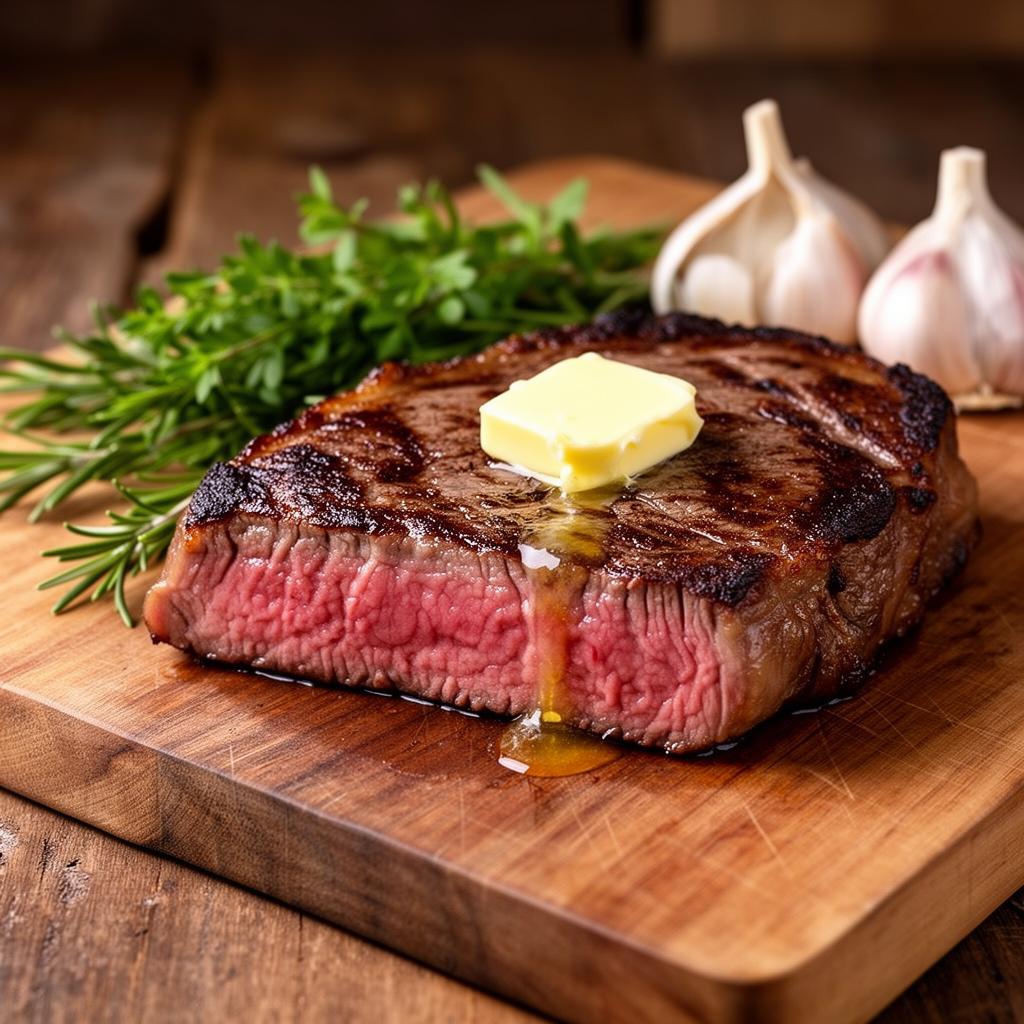
How to Cook the Perfect Steak at Home: A Complete Guide
Learn the secrets professional chefs use to cook restaurant-quality steak at home every single time — from choosing the right cut to nailing the perfect sear.
Why Most Home Cooks Struggle with Steak
Cooking steak seems simple, but the difference between a rubbery, overcooked piece of meat and a perfectly juicy, restaurant-quality steak comes down to a few critical techniques that most people overlook. The good news? Once you learn these fundamentals, you'll never need to order steak at a restaurant again.
The biggest mistakes home cooks make are starting with a cold steak, using the wrong pan, and not letting the meat rest after cooking. Each of these errors alone can ruin an otherwise great piece of beef. Together, they're the reason most homemade steaks taste nothing like what you'd get at a steakhouse.
Choosing the Right Cut
Not all steaks are created equal, and picking the right cut for your cooking method is half the battle.
- Ribeye — The most forgiving cut with generous marbling throughout. The fat melts during cooking, keeping the steak incredibly juicy even if you slightly overcook it. Best for pan-searing or grilling.
- New York Strip — A firm, beefy cut with a strip of fat along one edge. It has less marbling than ribeye but offers a more concentrated beef flavor. Ideal for high-heat searing.
- Filet Mignon — The most tender cut, taken from the tenderloin. It's lean with a buttery texture, but lacks the bold flavor of fattier cuts. Best cooked to medium-rare at most.
- T-Bone or Porterhouse — Two steaks in one: a strip on one side and tenderloin on the other. Impressive on the plate but tricky to cook evenly since the two muscles cook at different rates.
For beginners, start with a bone-in ribeye at least 1.5 inches thick. The bone adds flavor, and the thickness gives you more margin for error when timing your cook.
The Preparation That Makes All the Difference
1. Bring It to Room Temperature
Take your steak out of the refrigerator 30 to 45 minutes before cooking. A cold steak placed in a hot pan will cook unevenly — grey and overcooked on the outside while still raw in the center. Letting it temper ensures even cooking from edge to edge.
2. Pat It Completely Dry
Moisture is the enemy of a good sear. Use paper towels to thoroughly pat every surface of the steak dry. Any water on the surface will create steam instead of allowing the Maillard reaction — that beautiful caramelized crust — to happen.
3. Season Generously
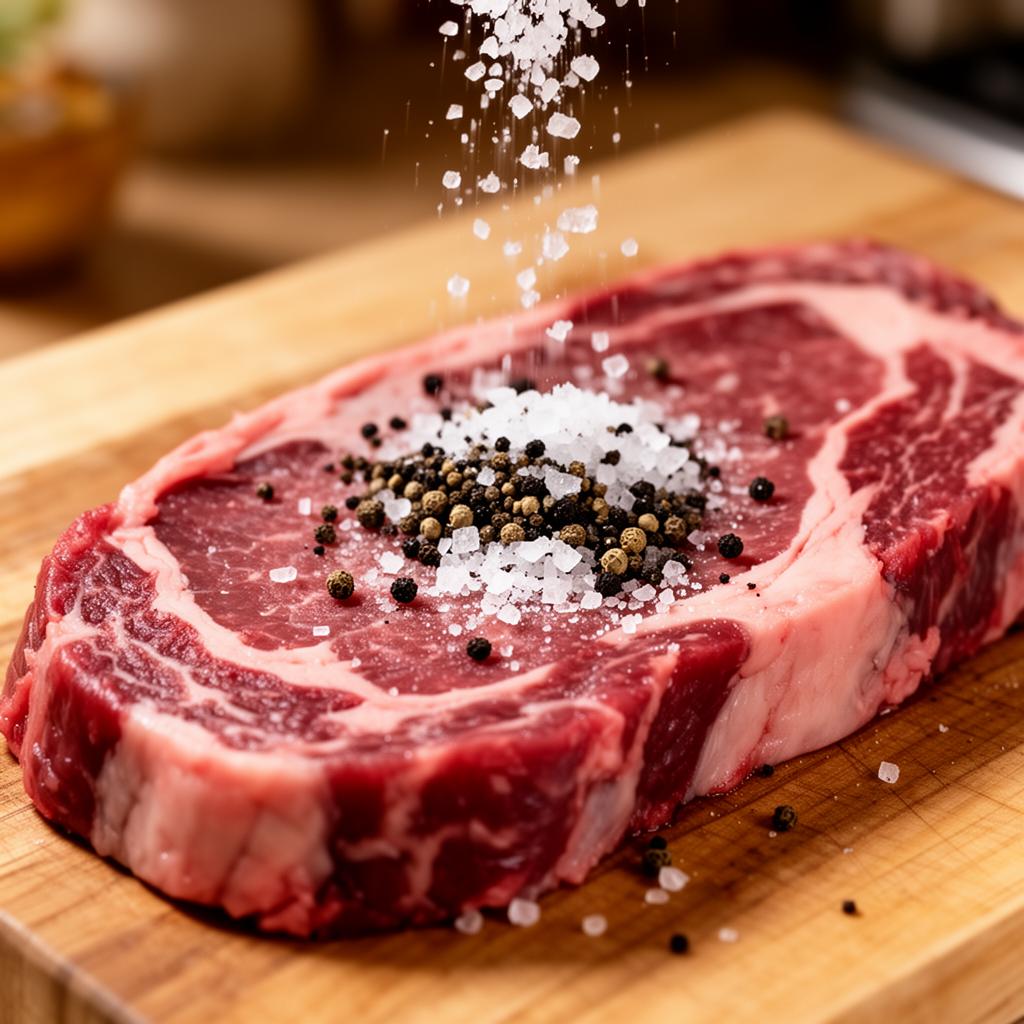
Keep it simple: coarse salt and freshly cracked black pepper. Season from about 12 inches above the steak to get even coverage. Use more salt than you think you need — a thick steak can handle it, and most of the seasoning stays on the surface to create that flavorful crust.
For an extra layer of flavor, add a light dusting of garlic powder and a pinch of smoked paprika.
The Perfect Sear: Step by Step
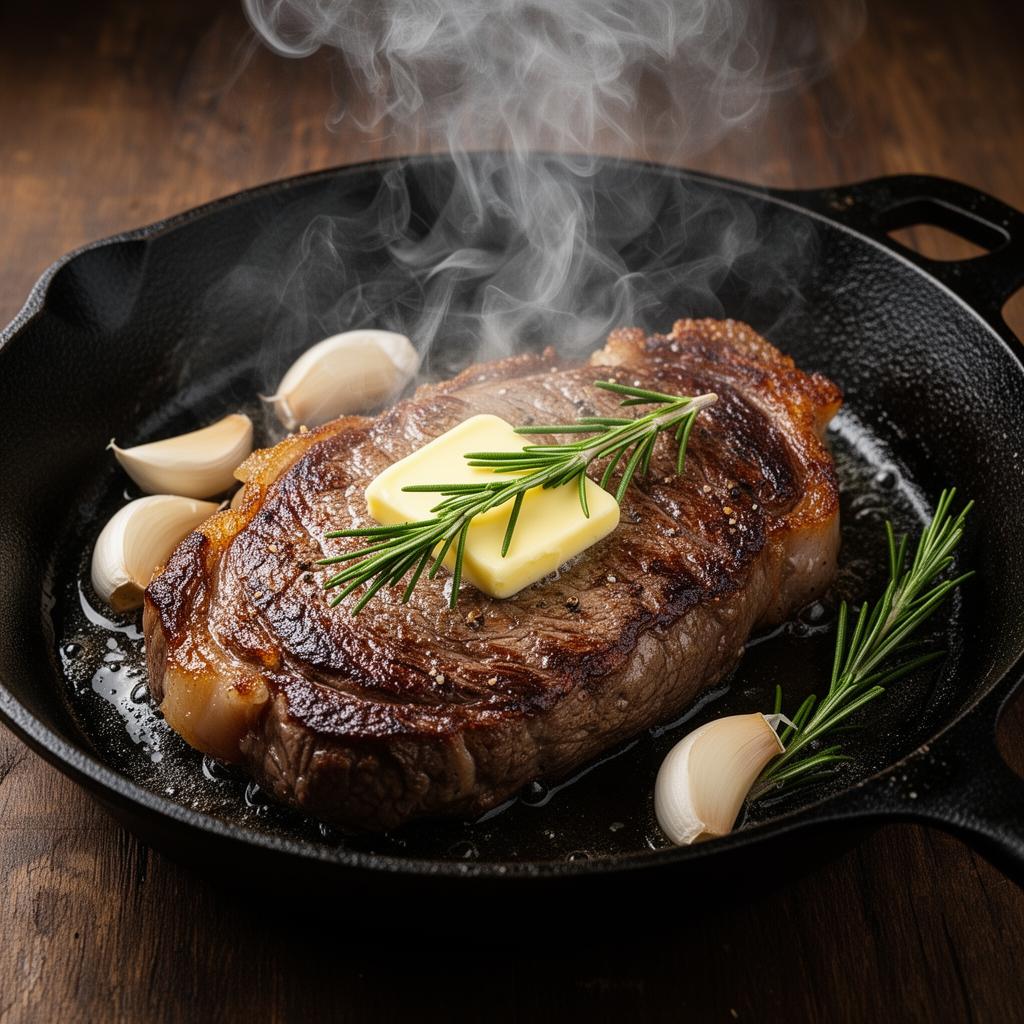
- 1.Choose the right pan. A heavy cast iron skillet is non-negotiable. It retains heat better than any other material, which means your pan temperature won't drop when the cold steak hits it. Heat the skillet over high heat for at least 5 minutes until it's smoking hot.
- 1.Use a high smoke-point oil. Avocado oil or refined canola oil work best. Drizzle just enough to coat the bottom of the pan — about one tablespoon.
- 1.Place the steak away from you to avoid oil splatter. Press it gently into the pan to ensure full contact with the surface. Do not move it. Let it sear undisturbed for 3 to 4 minutes until a deep golden-brown crust forms.
- 1.Flip once. Turn the steak and cook for another 3 to 4 minutes for medium-rare (internal temperature of 130°F / 54°C).
- 1.Add the aromatics. In the last minute of cooking, add 2 tablespoons of butter, 2 crushed garlic cloves, and a few sprigs of fresh thyme or rosemary to the pan. Tilt the pan slightly and use a spoon to continuously baste the steak with the foaming, herb-infused butter.
Internal Temperature Guide
Getting the doneness right is about temperature, not time. Invest in an instant-read thermometer — it's the single most useful tool for cooking steak.
- Rare — 120°F (49°C): Cool red center, very soft to the touch
- Medium-Rare — 130°F (54°C): Warm red center, yielding with a slight spring back
- Medium — 140°F (60°C): Warm pink center, firmer texture
- Medium-Well — 150°F (66°C): Slightly pink center, quite firm
- Well-Done — 160°F (71°C): No pink, very firm throughout
Remove the steak 5°F before your target temperature.: Carryover cooking will bring it up to the perfect doneness while it rests.
The Most Overlooked Step: Resting
Transfer the steak to a cutting board and let it rest for at least 5 to 8 minutes — roughly half the time it spent cooking. During this time, the muscle fibers relax and reabsorb the juices that were pushed to the center during cooking.
If you cut into a steak immediately, those juices flood out onto the plate, leaving you with a dry, grey piece of meat. A properly rested steak will be uniformly juicy from edge to edge.
Tent it loosely with foil if you're worried about it cooling down, but don't wrap it tightly or you'll trap steam and soften that crust you worked so hard to create.
Finishing Touches
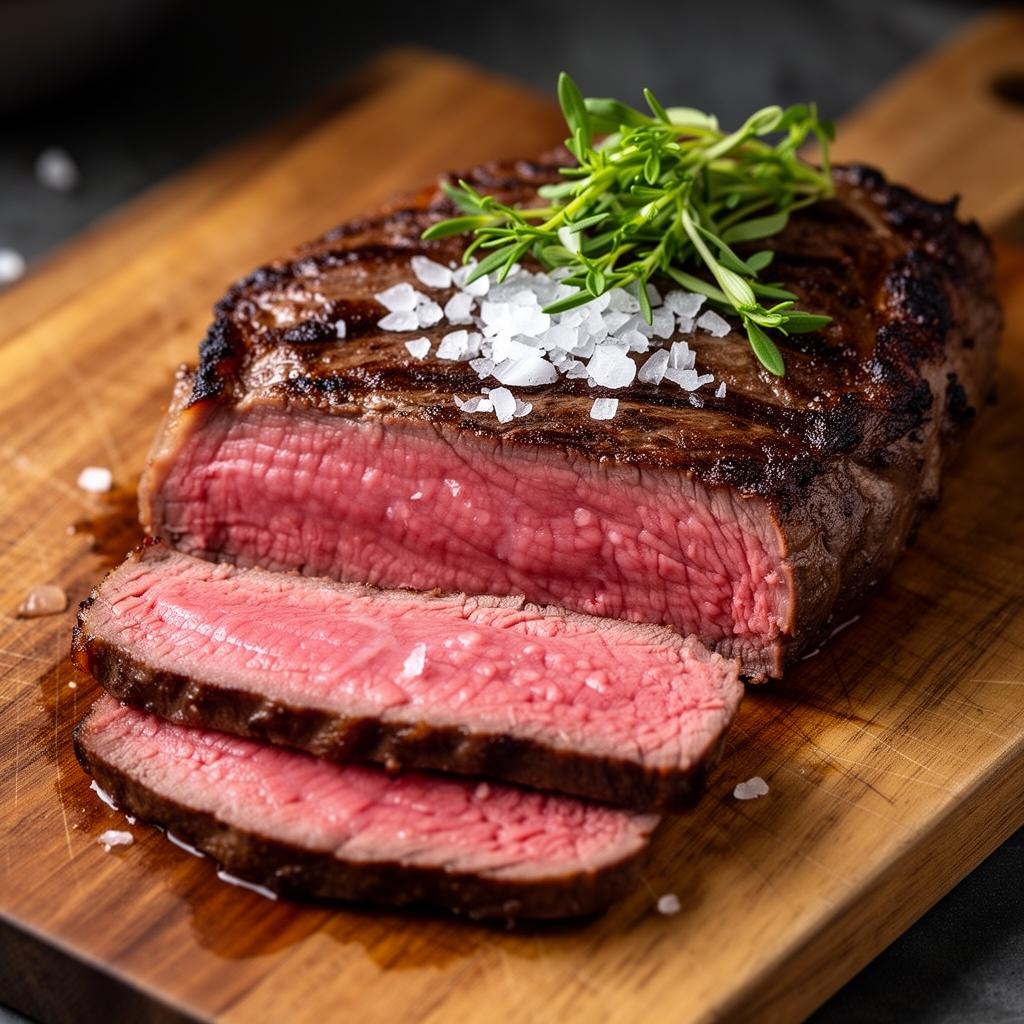
Slice against the grain if you're serving it pre-cut. Finish with a sprinkle of flaky sea salt (like Maldon) right before serving — it adds a satisfying crunch and burst of saltiness that elevates the entire experience.
Pair your steak with simple sides that won't compete: roasted garlic mashed potatoes, grilled asparagus, or a crisp Caesar salad.
The Bottom Line
Cooking a perfect steak at home isn't about fancy equipment or secret ingredients. It's about dry surface, screaming hot pan, minimal flipping, and proper resting. Master these four principles and you'll consistently produce steaks that rival any high-end steakhouse — at a fraction of the cost.
Share this article
Ready to cook something amazing?
Enter your ingredients and let Word Recipe generate the perfect meal.
Try Word Recipe