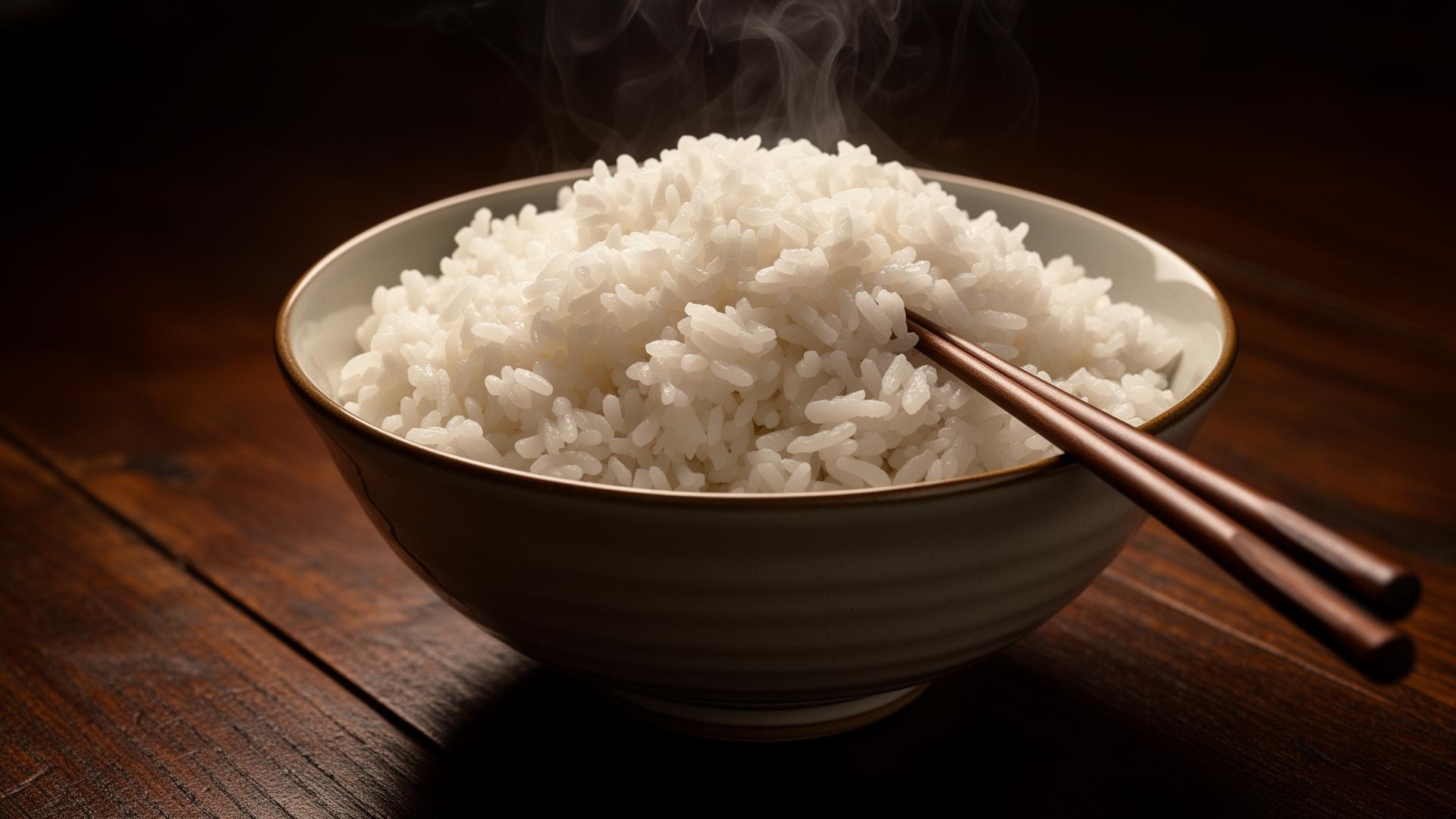
The Science Behind Perfect Rice Every Time
Master techniques that guarantee fluffy, perfectly cooked rice regardless of variety.
Why Most People Struggle with Rice
Rice seems simple — it's just grain and water. Yet it's one of the most commonly messed-up dishes in home kitchens. Mushy, sticky, crunchy, burnt — we've all been there. The truth is, perfect rice isn't about talent. It's about understanding a few key principles and following them consistently.
The Golden Ratio (By Rice Type)
Different rice varieties absorb different amounts of water. Using the wrong ratio is the most common mistake:
- Long grain white rice: 1 cup rice to 1.5 cups water
- Basmati: 1 cup rice to 1.5 cups water (soak for 20 minutes first)
- Jasmine: 1 cup rice to 1.25 cups water (naturally more moist)
- Brown rice: 1 cup rice to 2.5 cups water (needs more time too)
- Sushi rice: 1 cup rice to 1.2 cups water (add seasoned vinegar after)
- Wild rice: 1 cup rice to 3 cups water (technically a grass, not rice)
Important:: These ratios assume you're rinsing your rice first. Unrinsed rice may need slightly less water.
Step 1: Rinse Until Clear
Place your rice in a fine-mesh strainer or bowl. Run cold water over it while gently swirling with your hand. The water will be cloudy at first — that's excess surface starch. Keep rinsing until the water runs mostly clear, usually 3-4 rinses.
Why this matters:: Excess starch makes rice gummy and sticky (unless you're making sushi rice, where some stickiness is desirable).
Step 2: The Absorption Method
This is the most reliable method for home cooks:
- 1.Combine rinsed rice and measured cold water in a heavy-bottomed pot
- 2.Add a pinch of salt (about 1/2 teaspoon per cup of rice)
- 3.Bring to a rolling boil over high heat with the lid OFF
- 4.As soon as it boils, stir once, then put the lid on
- 5.Reduce heat to the absolute lowest setting
- 6.Cook without touching the lid:
- 7. - White rice: 15 minutes
- 8. - Basmati: 12 minutes
- 9. - Brown rice: 40-45 minutes
- 10.Remove from heat (still don't lift the lid!)
- 11.Let it steam for 10 minutes
- 12.Fluff with a fork, not a spoon
The 5 Cardinal Sins of Rice Cooking
1. Stirring During Cooking Every time you stir, you break the grains and release starch, creating a gluey, risotto-like texture. Stir once when it boils, then leave it completely alone.
2. Lifting the Lid Steam is doing the cooking. Every time you peek, steam escapes and the cooking process is disrupted. Trust the process. Set a timer and walk away.
3. Using Too Much Water More water doesn't mean softer rice — it means waterlogged, mushy rice. Measure precisely.
4. Skipping the Rinse Unless you're making sushi or risotto, rinsing is non-negotiable. It's the difference between individual, fluffy grains and a sticky clump.
5. Serving Immediately That 10-minute rest with the lid on after cooking is crucial. The residual steam finishes cooking the top layer and allows moisture to distribute evenly throughout.
Advanced Technique: Toast Your Rice
For an extra dimension of flavor, try toasting your rice before adding water:
- 1.Heat 1 tablespoon of butter or oil in your pot over medium heat
- 2.Add the rinsed, drained rice
- 3.Stir constantly for 2-3 minutes until the rice smells nutty and looks slightly translucent
- 4.Add your water (it will sizzle — be careful)
- 5.Proceed with the absorption method
This technique creates a subtle, nutty depth that elevates rice from a side dish to something people actually comment on.
Flavor Variations
Once you've mastered plain rice, try these simple upgrades:
- Coconut rice: Replace half the water with coconut milk
- Herbed rice: Add a bay leaf and a few whole peppercorns to the cooking water
- Turmeric rice: Add 1/2 teaspoon turmeric and a pinch of cumin
- Garlic rice: Sauté minced garlic in butter before adding rice
- Lime cilantro rice: Stir in lime juice and chopped cilantro after cooking
Troubleshooting
Rice is crunchy:: Not enough water or not enough cooking time. Add 2-3 tablespoons of water, cover, and cook 5 more minutes on low.
Rice is mushy:: Too much water. Spread on a sheet pan in a thin layer and let excess moisture evaporate in a warm oven (200°F) for 10 minutes.
Rice is burnt on the bottom:: Heat was too high. Always use the lowest setting after bringing to a boil. A heavy-bottomed pot distributes heat more evenly.
Rice sticks together:: You didn't rinse enough, or you stirred during cooking. Fluff with a fork (never a spoon) to separate grains.
Share this article
Ready to cook something amazing?
Enter your ingredients and let Word Recipe generate the perfect meal.
Try Word Recipe