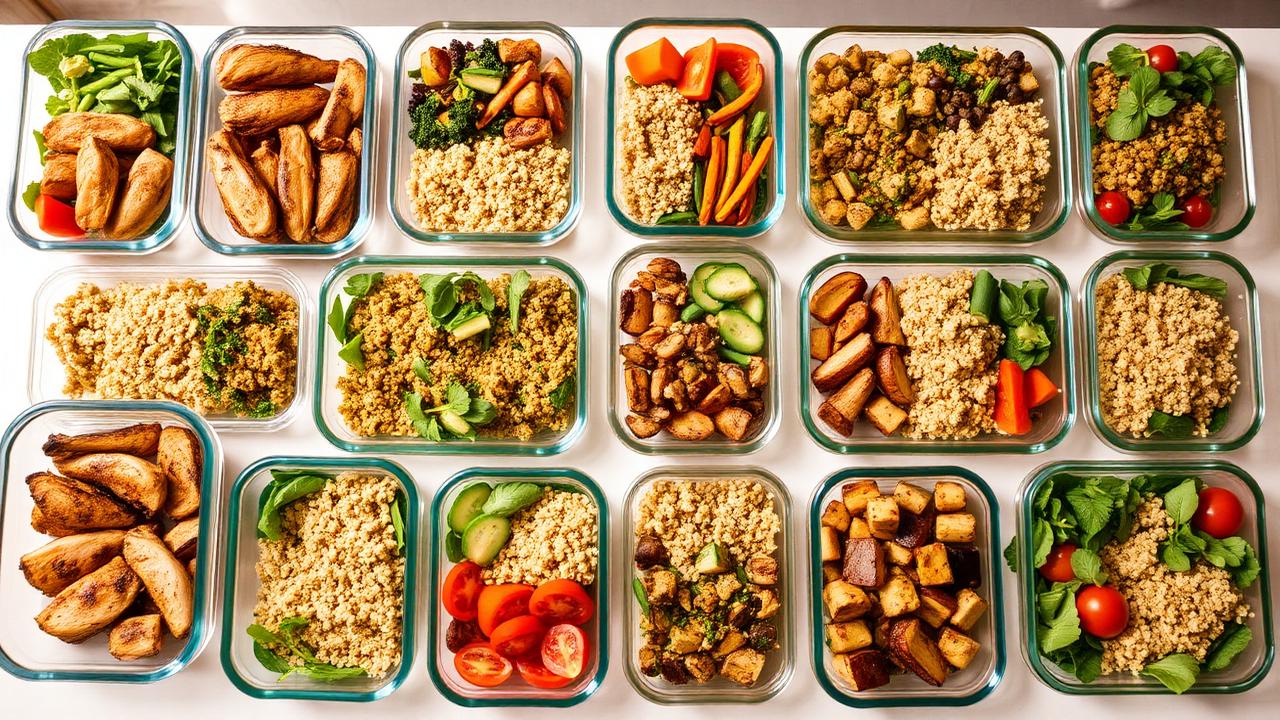
The Ultimate Meal Prep Guide: Save Time, Money, and Eat Healthier Every Week
Master the art of weekly meal prep with this comprehensive guide. Learn batch cooking strategies, smart storage tips, and time-saving techniques that will transform your eating habits and simplify your life.
Why Meal Prep Is a Game-Changer
If you have ever found yourself staring into the fridge at 7 PM wondering what to cook, meal prep is the answer. Weekly meal preparation is more than a trend — it is a proven strategy used by nutritionists, busy professionals, and fitness enthusiasts to eat healthier, save money, and reclaim hours every week.
The concept is simple: dedicate a few hours on one day (usually Sunday) to prepare most of your meals for the entire week. The result? No more last-minute takeout orders, no more wasted groceries, and no more stressful weeknight cooking.
Essential Equipment You Need
Before diving into your first meal prep session, make sure you have these basics:
- Glass containers with snap-lock lids (they reheat better and last longer than plastic)
- Sheet pans — your best friend for one-pan roasting
- A sharp chef's knife and large cutting board
- Measuring cups and a kitchen scale for portion control
- Labels and markers to date your containers
- Quality freezer bags for items you want to store longer
You do not need fancy gadgets. A reliable oven, a stovetop, and these basics are all it takes.
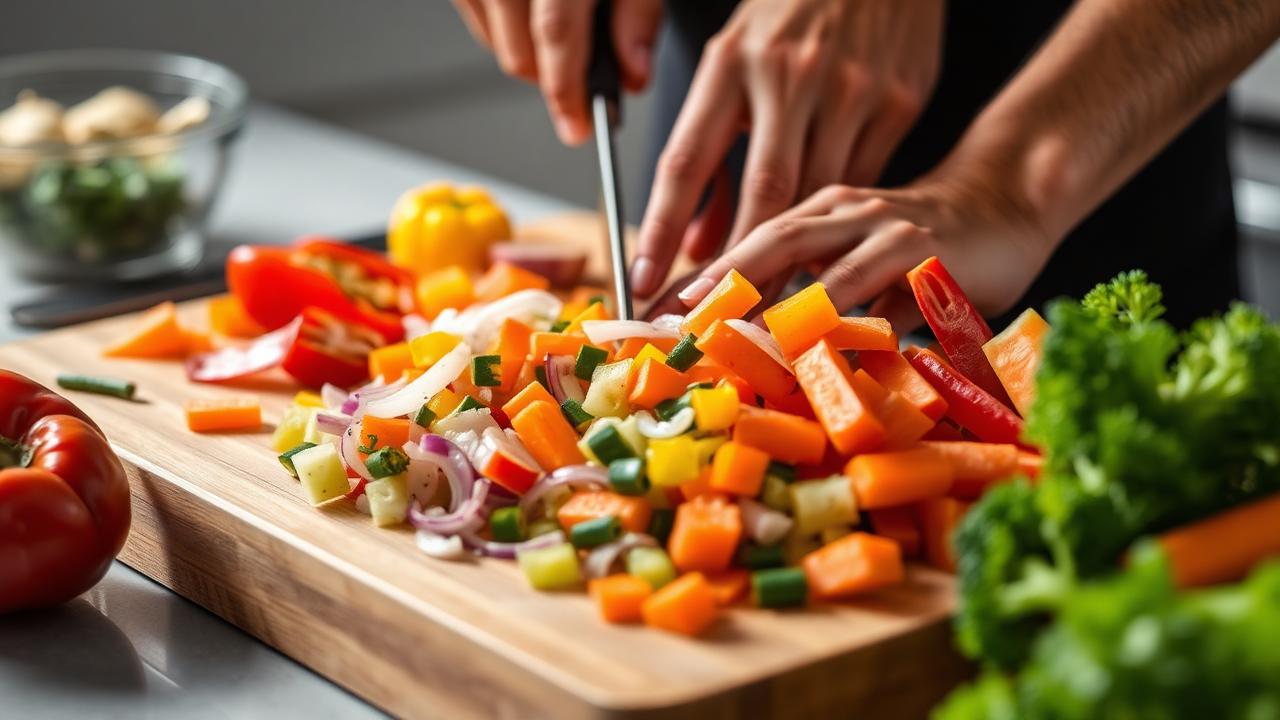
Step 1: Plan Your Menu
The most important step happens before you even step into the kitchen. Planning prevents waste and saves money. Here is how to do it right:
- 1.Choose 2-3 proteins for the week (chicken thighs, ground turkey, salmon)
- 2.Pick 3-4 vegetables that roast well (broccoli, sweet potatoes, bell peppers, zucchini)
- 3.Select 2 grains or starches (rice, quinoa, pasta, or potatoes)
- 4.Plan 1-2 sauces or dressings to add variety
- 5.Write a shopping list organized by grocery store sections
Pro tip:: Pick recipes that share ingredients. If you are roasting chicken with bell peppers for dinner, use extra bell peppers in a lunch stir-fry. This reduces waste and simplifies your shopping list.
Step 2: Batch Cook Like a Pro
The secret to efficient meal prep is working in parallel. While your proteins roast in the oven, cook grains on the stovetop and chop vegetables for salads. Here is a tried-and-tested timeline:
The 2-Hour Meal Prep Blueprint
- 1.0:00 — Preheat oven to 400°F (200°C). Start rice or quinoa on the stove.
- 2.0:05 — Season proteins and place on sheet pans. Chop all vegetables.
- 3.0:15 — Proteins and vegetables go in the oven. Make sauces and dressings.
- 4.0:45 — Flip proteins. Start cooking any stovetop items (eggs, sautéed greens).
- 5.1:00 — Remove everything from oven. Let proteins rest 10 minutes.
- 6.1:15 — Slice proteins, portion into containers with grains and vegetables.
- 7.1:30 — Label, stack, and refrigerate. Clean as you go.
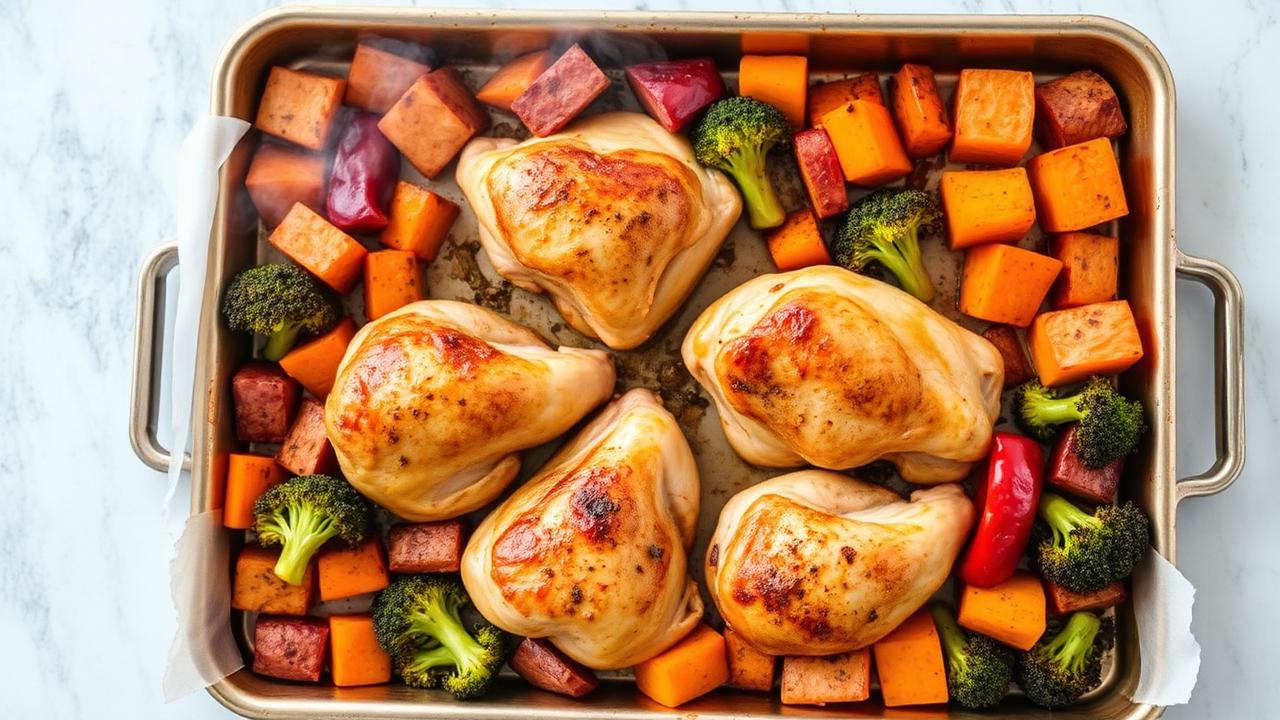
Step 3: Master the Sheet Pan Method
If there is one technique every meal prepper should learn, it is sheet pan cooking. Toss your protein and vegetables on a single pan with olive oil, salt, and your favorite seasoning. Roast at 400°F for 25-35 minutes. Done.
Best Sheet Pan Combinations
- Chicken thighs + sweet potatoes + broccoli + garlic
- Salmon fillets + asparagus + cherry tomatoes + lemon
- Tofu cubes + bell peppers + snap peas + teriyaki glaze
- Sausage slices + Brussels sprouts + red onion + balsamic
The beauty of sheet pan meals is that cleanup is minimal — line your pan with parchment paper and you barely have to wash anything.
Step 4: Store and Stack Smart
Proper storage is what separates a successful meal prep from soggy, sad lunches by Wednesday. Follow these golden rules:
- Keep sauces separate until you are ready to eat — this prevents sogginess
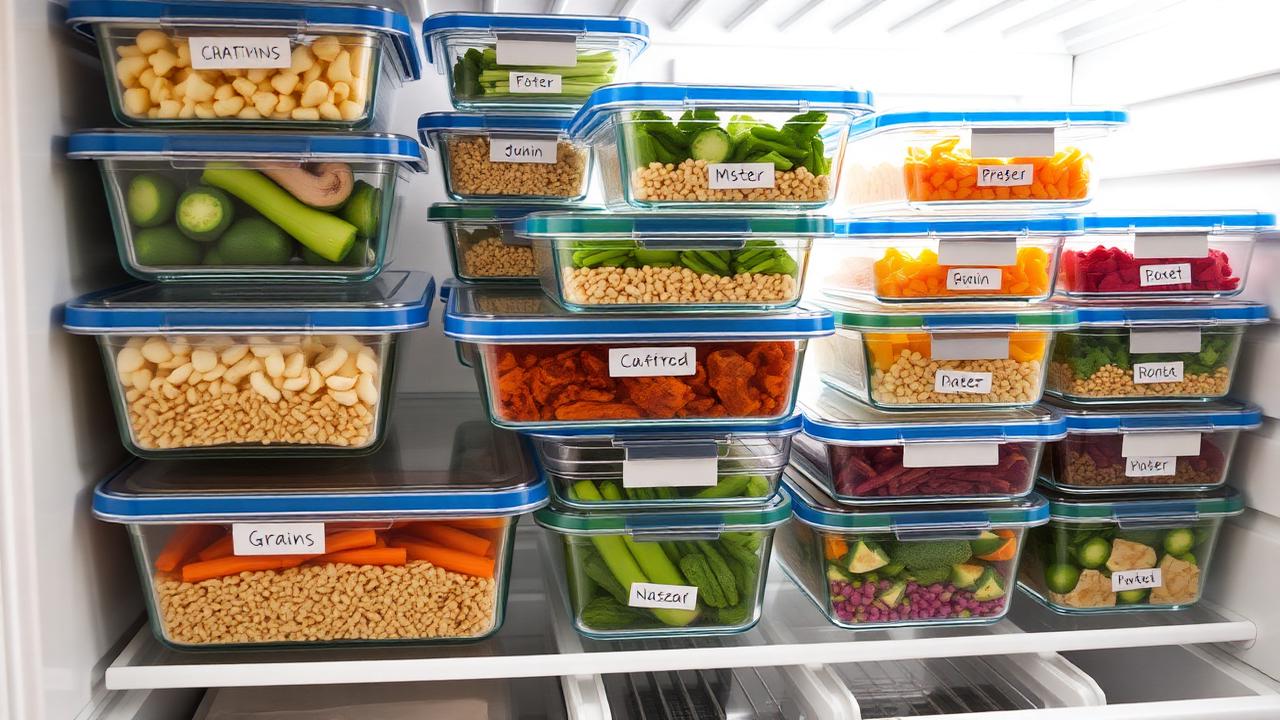
- Store grains on the bottom, protein in the middle, vegetables on top
- Refrigerated meals last 4-5 days — prep enough for Monday through Friday
- Freeze anything beyond day 5 — most cooked meals freeze well for up to 3 months
- Let food cool completely before sealing containers to prevent condensation
Step 5: Add Variety So You Never Get Bored
The number one reason people quit meal prep is boredom. Fight it with these strategies:
- Rotate sauces: Same chicken and rice can become teriyaki, Mediterranean, or Mexican with different toppings
- Mix textures: Add crunchy toppings like nuts, seeds, or crispy chickpeas at serving time
- Theme your days: Taco Tuesday, Stir-Fry Wednesday, Buddha Bowl Thursday
- Prep components, not full meals: Having cooked proteins, grains, and sauces ready lets you mix and match each day
Common Meal Prep Mistakes to Avoid
Even experienced meal preppers make these errors:
- Cooking everything at once — Stagger your cooking so nothing sits while you wait for the oven
- Skipping the cool-down — Hot food in sealed containers creates moisture and breeds bacteria
- Making only one recipe — Eating the same meal five days straight leads to burnout
- Ignoring freezer meals — Your freezer is your best backup plan
- Not labeling containers — Always write the date and contents
Money-Saving Benefits
Meal prep is not just about convenience — it is a serious money saver. Studies show that the average household wastes 30-40% of purchased food. When you meal prep:
- You buy only what you need
- You use every ingredient you purchase
- You avoid expensive takeout (saving $50-100+ per week)
- You can buy proteins and grains in bulk at lower prices
Start Small, Stay Consistent
You do not have to prep every single meal on day one. Start with just lunches. Once that becomes a habit, add breakfasts or dinners. The goal is consistency, not perfection.
Set a recurring calendar reminder for your prep day, put on a podcast or your favorite playlist, and make it enjoyable. Within a few weeks, you will wonder how you ever survived without meal prep.
Ready to Start Your Meal Prep Journey?
The hardest part is simply beginning. Pick one protein, one grain, and two vegetables this weekend. Spend just one hour cooking and portioning. That single hour will save you countless decisions, dollars, and stress throughout the week.
Your future self — the one grabbing a perfectly portioned, home-cooked meal from the fridge on a busy Monday — will thank you.
Share this article
Ready to cook something amazing?
Enter your ingredients and let Word Recipe generate the perfect meal.
Try Word Recipe