The Complete Cooking Guide for Beginners: Everything You Need to Know
A comprehensive beginner-friendly guide covering essential cooking techniques, must-have kitchen tools, pantry staples, and step-by-step instructions to build your confidence in the kitchen.
Starting your cooking journey can feel overwhelming. There are so many techniques to learn, tools to buy, and recipes to master. But here's the truth: every great cook was once a beginner. This comprehensive guide will walk you through everything you need to know to go from kitchen novice to confident home cook.
Why Learning to Cook Matters
Cooking at home is one of the most impactful lifestyle changes you can make. Research consistently shows that people who cook at home eat healthier, save money, and report higher levels of satisfaction with their meals. On average, cooking at home costs 60–70% less than eating out or ordering delivery.
Beyond the financial benefits, cooking gives you complete control over what goes into your food. You can reduce sodium, avoid preservatives, and customize every dish to your tastes and dietary needs. It's also a creative outlet — there's genuine joy in transforming raw ingredients into something delicious.
Essential Kitchen Tools for Beginners
You don't need a professional kitchen to cook well. Start with these essentials:
- Chef's knife (8-inch): The single most important tool. A good knife makes everything easier and safer.
- Cutting board: Invest in a large, sturdy wooden or plastic board.
- Heavy-bottomed skillet: A 12-inch stainless steel or cast iron skillet handles almost any cooking task.
- Saucepan (2-quart): For sauces, grains, and reheating.
- Stockpot (6-quart): For soups, pasta, and large batches.
- Sheet pan: Essential for roasting vegetables and baking.
- Wooden spoons and spatula: Won't scratch your cookware.
- Measuring cups and spoons: Accuracy matters, especially in baking.
- Instant-read thermometer: Takes the guesswork out of cooking proteins.
Avoid buying expensive knife sets or single-use gadgets. A few quality essentials will serve you far better.
Building Your Pantry
A well-stocked pantry means you can always throw together a meal. Keep these staples on hand:
Dry Goods - Rice (white and brown) - Pasta (at least two shapes) - All-purpose flour - Canned tomatoes (diced and crushed) - Canned beans (black, chickpeas, kidney) - Chicken or vegetable broth - Dried lentils
Oils & Vinegars - Extra virgin olive oil (for finishing and dressings) - Neutral oil (canola or vegetable, for high-heat cooking) - Red wine vinegar or apple cider vinegar - Soy sauce
Spices - Kosher salt and black pepper - Garlic powder and onion powder - Cumin, paprika, and chili flakes - Italian seasoning or dried oregano - Ground cinnamon
The Five Fundamental Cooking Techniques
Master these five techniques and you can cook virtually anything:
1. Sautéing Sautéing means cooking food quickly in a small amount of fat over medium-high heat. The key is to **keep food moving** in the pan. Heat your pan first, then add oil. When the oil shimmers, add your ingredients in a single layer. Overcrowding the pan causes steaming instead of browning.
Pro tip:: Pat proteins dry with paper towels before sautéing for a better sear.
2. Roasting Roasting uses dry heat in the oven to cook food evenly and develop deep, caramelized flavors. Set your oven to **400–425°F (200–220°C)** for most vegetables. Toss them with oil, salt, and pepper, spread in a single layer on a sheet pan, and roast until golden.
The secret to great roasting? Don't overcrowd the pan. Give ingredients space so they brown instead of steam.
3. Boiling and Simmering Boiling (rapid bubbles) is for pasta and blanching vegetables. Simmering (gentle bubbles) is for soups, sauces, and stews. Always salt your boiling water generously — it should taste like the sea.
Key difference:: A simmer is around 180–200°F (82–93°C), while a full boil is 212°F (100°C). Most braises and soups benefit from a gentle simmer, not a rolling boil.
4. Braising Braising combines searing and slow simmering in liquid. It's perfect for tough, inexpensive cuts of meat. Sear your protein first for flavor, add aromatics and liquid (broth, wine, or tomatoes), then cook low and slow until tender. This technique transforms cheap cuts into restaurant-quality meals.
5. Stir-Frying Stir-frying uses very high heat and constant motion. Prep all ingredients before you start — once the wok is hot, everything moves fast. Cut everything into uniform, small pieces for even cooking. Add ingredients in order of cooking time: proteins first, then hard vegetables, then soft vegetables, then sauce.
Common Beginner Mistakes (And How to Avoid Them)
Not reading the recipe all the way through.: Before you start cooking, read the entire recipe. Nothing is worse than discovering you need an ingredient you don't have or a technique you're unfamiliar with mid-cook.
Using dull knives.: A dull knife is more dangerous than a sharp one because it requires more force and is more likely to slip. Keep your knives sharp with a honing steel or occasional professional sharpening.
Not preheating.: Whether it's a pan or an oven, always preheat. Cold pans lead to sticking. Cold ovens lead to uneven cooking.
Overcrowding the pan.: This is the number one mistake home cooks make. Food needs space to brown. Work in batches if necessary.
Underseasoning.: Taste as you go and adjust seasoning throughout the cooking process, not just at the end. Salt enhances all flavors — use it with intention.
Moving food too much.: Let your food sit and develop a crust before flipping. Whether it's a steak, a piece of chicken, or vegetables, patience creates that beautiful golden brown color.
Your First Week of Cooking
Here's a simple plan to build your skills:
- 1.Day 1: Make scrambled eggs — practice controlling heat
- 2.Day 2: Roast vegetables on a sheet pan — learn oven cooking
- 3.Day 3: Cook pasta with a simple sauce — practice timing and boiling
- 4.Day 4: Sauté chicken breast — master protein cooking
- 5.Day 5: Make a simple soup — combine multiple techniques
- 6.Day 6: Stir-fry with rice — work with high heat
- 7.Day 7: Cook a full meal from scratch — put it all together
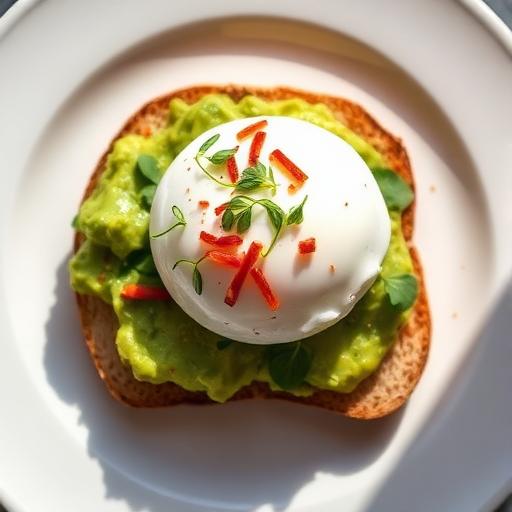
Avocado Toast with Poached Egg
10 min · Easy · 1 servings
Crispy sourdough topped with smashed avocado, a perfectly poached egg, and chili flakes.
Read Full RecipeBuilding Confidence in the Kitchen
The most important tip for beginner cooks is this: give yourself permission to fail. Not every meal will be perfect, and that's okay. Professional chefs burn things too. Every mistake is a lesson that makes you a better cook.
Start simple, master the basics, and gradually tackle more complex recipes. Before you know it, you'll be improvising dishes and cooking without recipes. That's when cooking goes from a chore to a genuine pleasure.
Final Thoughts
Cooking is a skill, and like any skill, it improves with practice. You don't need expensive equipment, rare ingredients, or years of training. You need a sharp knife, a hot pan, good ingredients, and a willingness to learn. Start today, and you'll be amazed at how quickly your confidence — and your meals — improve.
Share this article
Ready to cook something amazing?
Enter your ingredients and let Word Recipe generate the perfect meal.
Try Word Recipe