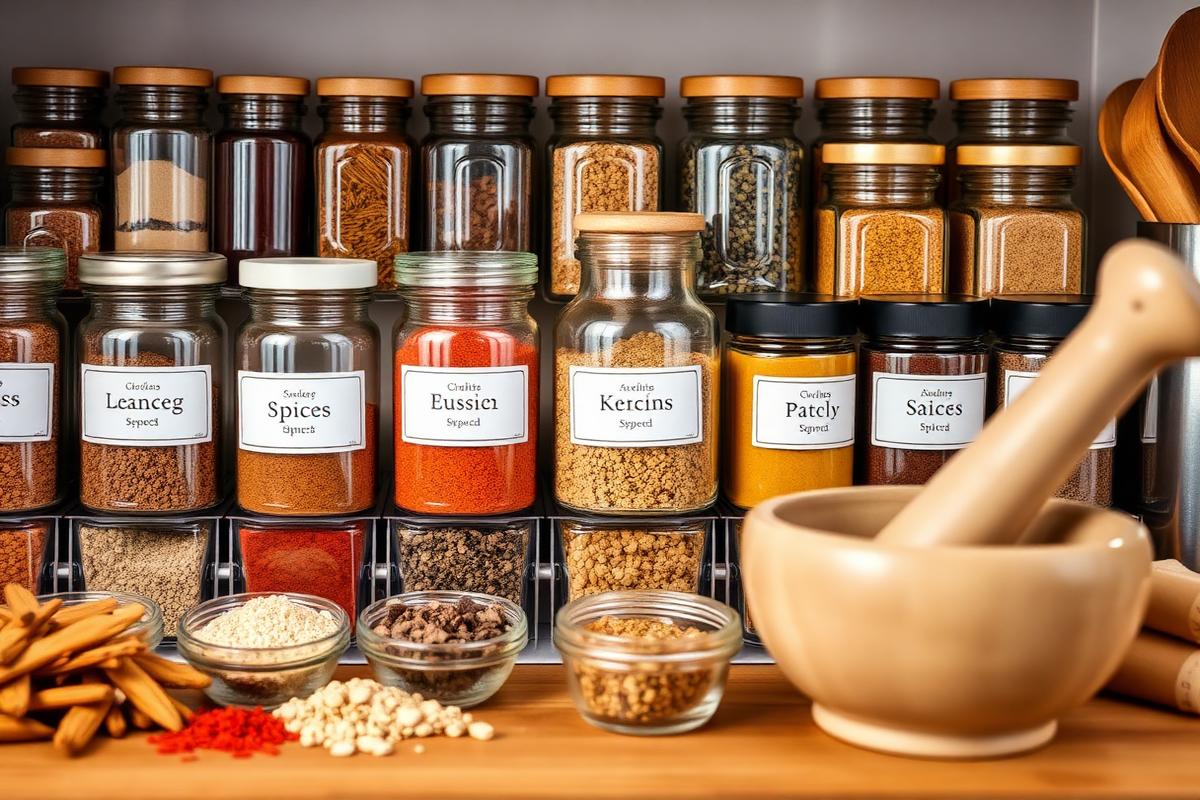
DIY Spice Blends from Around the World: Make Your Own at Home
Learn to create authentic spice blends from global cuisines — including garam masala, za'atar, ras el hanout, Italian seasoning, and more. Save money and customize flavors to your taste.
Spices are the soul of cooking. A single spice blend can transport a simple dish to the streets of Marrakech, the coast of Italy, or the markets of Mumbai. While pre-made blends are convenient, making your own is cheaper, fresher, and lets you customize flavors to your exact taste.
Why Make Your Own Spice Blends?
Freshness:: Pre-ground spices lose potency over time. When you buy whole spices and grind them yourself (or even just mix pre-ground spices fresh), the aroma and flavor are noticeably more vibrant.
Cost:: A single jar of specialty spice blend costs $5–10 at the store. Making the same blend from bulk spices costs $1–2 and yields multiple batches.
Control:: Adjust heat levels, salt content, and individual spice ratios. Hate cloves? Leave them out. Love cumin? Double it.
No additives:: Commercial blends often contain anti-caking agents, MSG, or excessive salt. Yours will be pure spice.
Essential Equipment
You don't need much:
- Spice grinder or mortar and pestle — for grinding whole spices
- Small mason jars — for storage
- Measuring spoons — for consistent ratios
- Labels — always label with name and date
Pro tip:: Toast whole spices in a dry skillet over medium heat for 1–2 minutes before grinding. This awakens the essential oils and creates deeper, more complex flavors.
10 Essential Spice Blends from Around the World
1. Italian Seasoning (Italy)
The workhorse of Mediterranean cooking.
- 2 tablespoons dried basil
- 2 tablespoons dried oregano
- 1 tablespoon dried thyme
- 1 tablespoon dried rosemary (crushed)
- 1 tablespoon dried marjoram
- 1 teaspoon garlic powder
Use on:: Pasta sauces, pizza, roasted vegetables, grilled chicken, bread dipping oil.
2. Garam Masala (India)
The signature warm spice blend of Indian cuisine. "Garam" means "hot" — referring to the warmth the spices create, not chili heat.
- 2 tablespoons ground cumin
- 2 tablespoons ground coriander
- 1 tablespoon ground cardamom
- 1 tablespoon ground black pepper
- 1 teaspoon ground cinnamon
- 1 teaspoon ground cloves
- 1/2 teaspoon ground nutmeg
Use in:: Curries, dal, rice dishes, roasted vegetables. Add at the end of cooking for the most aromatic results.
3. Za'atar (Middle East)
This tangy, herbal blend is a staple across Lebanon, Jordan, and the broader Levant.
- 3 tablespoons dried thyme
- 2 tablespoons sesame seeds (toasted)
- 1 tablespoon ground sumac
- 1 teaspoon dried marjoram
- 1/2 teaspoon salt
Use on:: Flatbread with olive oil, roasted chicken, hummus, labneh, roasted vegetables, eggs.
4. Ras el Hanout (Morocco)
Translated as "head of the shop" — meaning the best spices the shop has to offer. Every blend is unique.
- 1 tablespoon ground cumin
- 1 tablespoon ground ginger
- 1 tablespoon ground coriander
- 1 teaspoon ground cinnamon
- 1 teaspoon ground turmeric
- 1 teaspoon ground black pepper
- 1/2 teaspoon ground cardamom
- 1/2 teaspoon ground nutmeg
- 1/2 teaspoon ground cloves
- 1/4 teaspoon cayenne pepper
Use in:: Tagines, couscous, roasted lamb, vegetable stews, grain bowls.
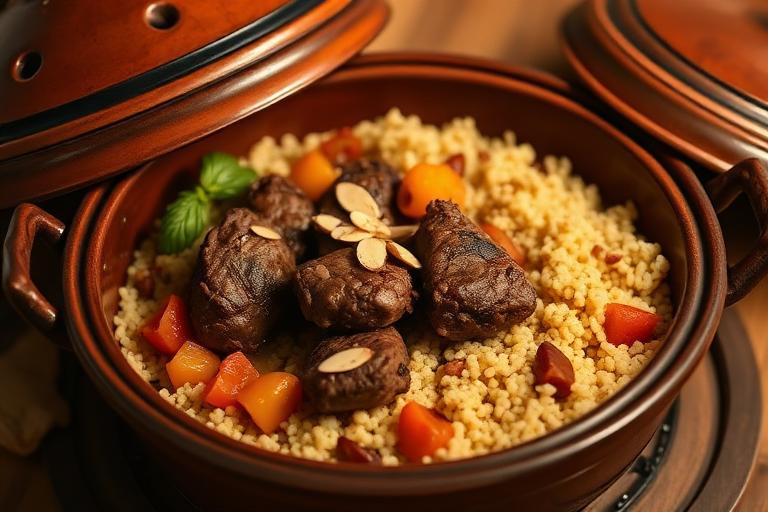
Moroccan Lamb Tagine
90 min · Medium · 4 servings
Slow-cooked Moroccan lamb with apricots, almonds, warm spices, and fluffy couscous.
Read Full Recipe5. Chinese Five Spice (China)
This powerful blend embodies the Chinese philosophy of balancing five flavors.
- 2 tablespoons ground star anise
- 1 tablespoon ground Sichuan peppercorn
- 1 tablespoon ground fennel seeds
- 1 tablespoon ground cinnamon
- 1 tablespoon ground cloves
Use on:: Roasted duck, pork belly, stir-fries, and even in baking (try it in cookies or brownies).
6. Taco Seasoning (Mexico)
Skip the packets — they're full of maltodextrin and silicon dioxide. Homemade taco seasoning is pure flavor.
- 2 tablespoons chili powder
- 1 tablespoon ground cumin
- 1 teaspoon paprika
- 1 teaspoon garlic powder
- 1 teaspoon onion powder
- 1/2 teaspoon dried oregano
- 1/2 teaspoon salt
- 1/4 teaspoon cayenne pepper (adjust to taste)
Use in:: Tacos, burritos, quesadillas, taco salads, seasoned rice, and roasted vegetables.
7. Berbere (Ethiopia)
The fiery, complex blend at the heart of Ethiopian cuisine.
- 2 tablespoons paprika
- 1 tablespoon cayenne pepper (adjust for heat)
- 1 tablespoon ground fenugreek
- 1 teaspoon ground coriander
- 1 teaspoon ground cardamom
- 1 teaspoon ground ginger
- 1/2 teaspoon ground cinnamon
- 1/2 teaspoon ground nutmeg
- 1/4 teaspoon ground cloves
- 1/4 teaspoon ground allspice
Use in:: Doro wat (chicken stew), lentil dishes, roasted meats, and spiced butter.
8. Herbes de Provence (France)
An aromatic blend from the south of France that captures the essence of the Mediterranean.
- 2 tablespoons dried thyme
- 2 tablespoons dried savory
- 1 tablespoon dried rosemary
- 1 tablespoon dried oregano
- 1 tablespoon dried marjoram
- 1 teaspoon dried lavender (optional, but traditional)
Use on:: Roasted chicken, grilled vegetables, goat cheese, omelets, focaccia.
9. Cajun Seasoning (Louisiana, USA)
Bold, spicy, and deeply savory — the essence of Louisiana cooking.
- 2 tablespoons paprika
- 1 tablespoon garlic powder
- 1 tablespoon onion powder
- 1 tablespoon dried oregano
- 1 tablespoon dried thyme
- 1 teaspoon cayenne pepper
- 1 teaspoon black pepper
- 1 teaspoon salt
Use on:: Blackened fish, jambalaya, gumbo, shrimp, and seasoned fries.
10. Dukkah (Egypt)
A crunchy nut-and-spice blend that adds texture and flavor to everything.
- 1/4 cup hazelnuts, toasted and chopped
- 2 tablespoons sesame seeds, toasted
- 1 tablespoon ground coriander
- 1 tablespoon ground cumin
- 1/2 teaspoon salt
- 1/2 teaspoon black pepper
Use on:: Dip bread in olive oil then dukkah. Sprinkle on salads, avocado toast, roasted vegetables, or yogurt.
Storage Tips
- Store blends in airtight glass jars away from heat and light
- Label with name and date made
- Whole spices last 2–3 years; ground spices are best within 6 months
- Smell test: if a spice doesn't smell like anything when you open the jar, it's time to replace it
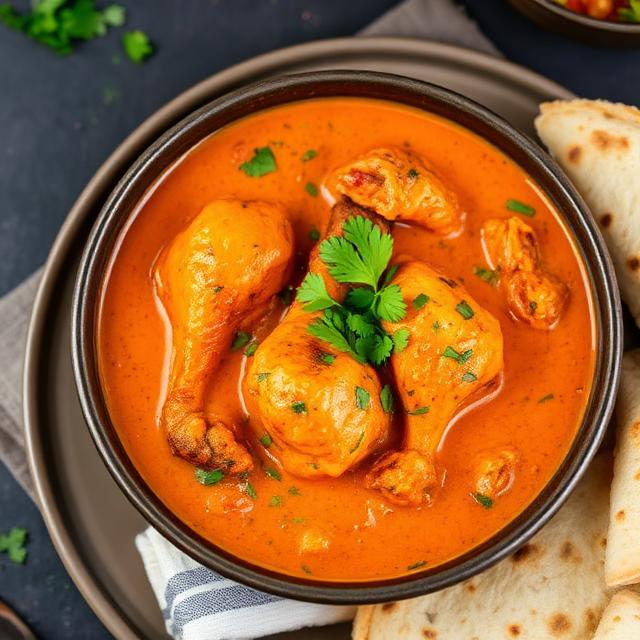
Chicken Tikka Masala
40 min · Medium · 3 servings
Tender chicken pieces in a rich, creamy tomato sauce with warm Indian spices.
Read Full RecipeBuilding Your Spice Collection
Start with these 15 essential spices and you can make almost any blend in this guide:
- 1.Cumin (ground and whole)
- 2.Coriander (ground)
- 3.Paprika (sweet and smoked)
- 4.Chili powder
- 5.Garlic powder
- 6.Onion powder
- 7.Dried oregano
- 8.Dried thyme
- 9.Cinnamon
- 10.Black pepper
- 11.Cayenne
- 12.Turmeric
- 13.Ginger (ground)
- 14.Cardamom (ground)
- 15.Sesame seeds
Final Thoughts
Making your own spice blends is one of the simplest ways to dramatically improve your cooking. Each blend is a shortcut to authentic, complex flavor — and once you experience the difference between fresh homemade and dusty store-bought, you'll never go back. Start with the blend that matches your favorite cuisine, and expand from there.
Share this article
Ready to cook something amazing?
Enter your ingredients and let Word Recipe generate the perfect meal.
Try Word Recipe