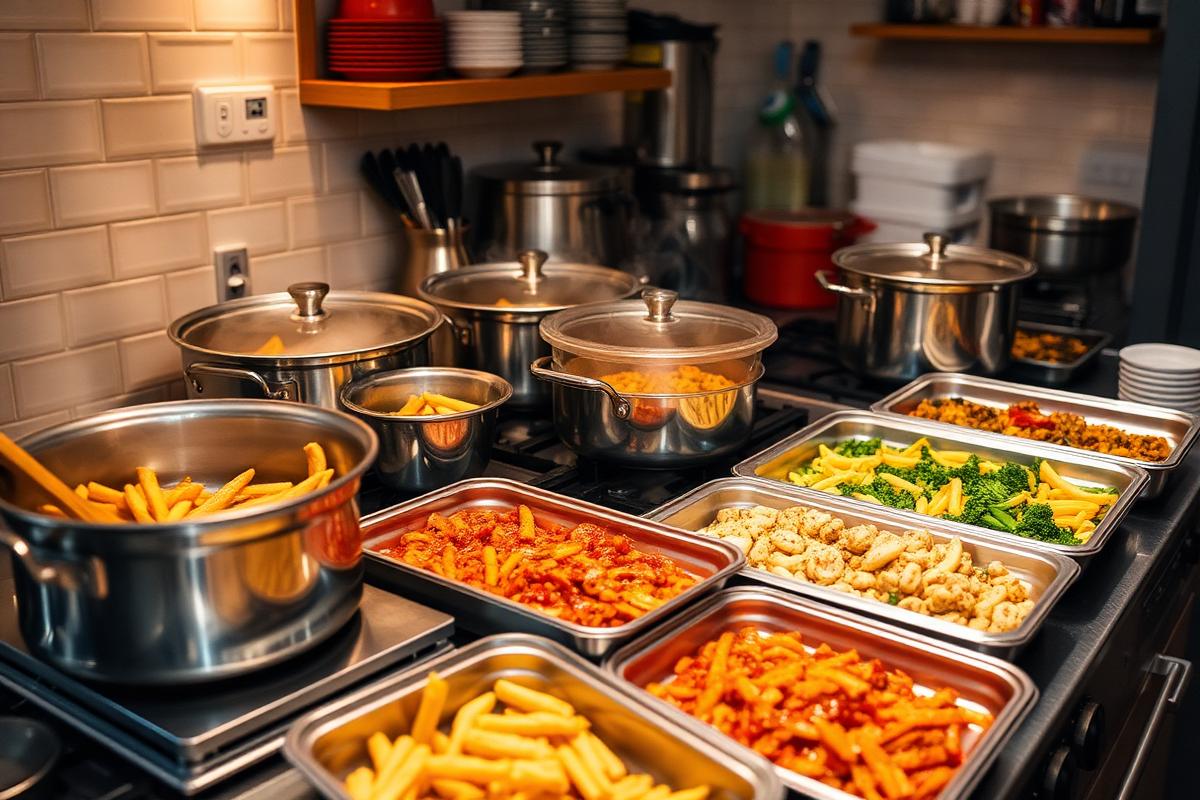
Batch Cooking 101: How to Save Hours Every Week in the Kitchen
Learn the art of batch cooking with this complete guide. Discover how to plan, prep, and cook multiple meals in one session to save time, money, and stress throughout the week.
If you've ever come home after a long day exhausted and staring at the fridge wondering what to cook, batch cooking is about to change your life. This method of preparing multiple meals in a single cooking session has been embraced by busy families, fitness enthusiasts, and anyone who wants to eat well without spending hours in the kitchen every day.
What Is Batch Cooking?
Batch cooking is the practice of preparing large quantities of food at once, then portioning and storing meals for the days ahead. Unlike traditional meal prep (where you might prep ingredients), batch cooking means your meals are fully cooked and ready to eat or require minimal reheating.
The goal is simple: spend 2–3 hours cooking once, and eat well all week.
The Benefits of Batch Cooking
Save Time The average person spends **40 minutes per day** cooking. That's nearly 5 hours per week. With batch cooking, you can cut that down to 2–3 hours total, freeing up your evenings for family, hobbies, or rest.
Save Money When you batch cook, you buy ingredients in bulk, use everything you purchase, and dramatically reduce food waste. Most batch cookers report saving **$50–100 per week** on groceries and takeout.
Eat Healthier Having healthy meals ready to go eliminates the temptation to order delivery or grab fast food. You control the ingredients, portions, and nutrition of every meal.
Reduce Stress The daily "what's for dinner?" question disappears. Knowing your meals are ready removes one of the biggest daily stressors for home cooks.
Planning Your Batch Cook
The key to successful batch cooking is planning. Here's a step-by-step approach:
Step 1: Choose Your Recipes Select 3–4 recipes that share common ingredients and use different cooking methods. For example: - A sheet pan chicken with roasted vegetables (oven) - A big pot of chili or soup (stovetop) - A grain salad or quinoa bowl (stovetop) - Overnight oats or breakfast items (no cook)
Step 2: Write Your Master Shopping List Consolidate ingredients across all recipes. Group by department (produce, protein, dairy, pantry) for efficient shopping.
Step 3: Map Your Cooking Timeline Look at your recipes and identify what can cook simultaneously: - While the oven preheats, start chopping vegetables - Put rice or grains on the stove first (they're hands-off) - Use the oven for roasting while the stovetop handles soups - Prep cold items last while hot dishes cool
The Perfect Batch Cooking Session
Here's what a typical 2.5-hour batch cooking session looks like:
Hour 1: Prep and Start **0:00** — Preheat oven to 425°F. Start a pot of water for grains. **0:10** — Wash and chop all vegetables. Group by recipe. **0:25** — Season proteins. Place sheet pan in oven. **0:30** — Start soup or stew on the stovetop. **0:40** — Cook grains (rice, quinoa, or pasta).
Hour 2: Cook and Assemble **1:00** — Check and flip sheet pan items. Stir soup. **1:15** — Drain and cool grains. Start any sauces. **1:30** — Remove sheet pan items from oven. Begin assembling grain bowls. **1:45** — Taste and adjust seasonings on everything.
Final 30 Minutes: Cool and Store **2:00** — Let everything cool to room temperature. **2:15** — Portion into containers. Label with date and contents. **2:30** — Clean up kitchen. Stack containers in fridge.
Best Foods for Batch Cooking
Not all foods batch cook equally well. Here are the best options:
Proteins that reheat well:
- Shredded chicken (pulled from roasted or poached whole chicken)
- Ground meat (for tacos, pasta sauce, or bowls)
- Beans and lentils
- Hard-boiled eggs
Grains and starches:
- Rice (all varieties)
- Quinoa
- Roasted sweet potatoes
- Pasta (slightly undercook for reheating)
Vegetables:
- Roasted broccoli, cauliflower, Brussels sprouts
- Sautéed spinach or kale
- Roasted root vegetables
- Raw salad components (store separately)
Soups and stews:: - Chili, curry, stew — these actually taste better the next day as flavors meld
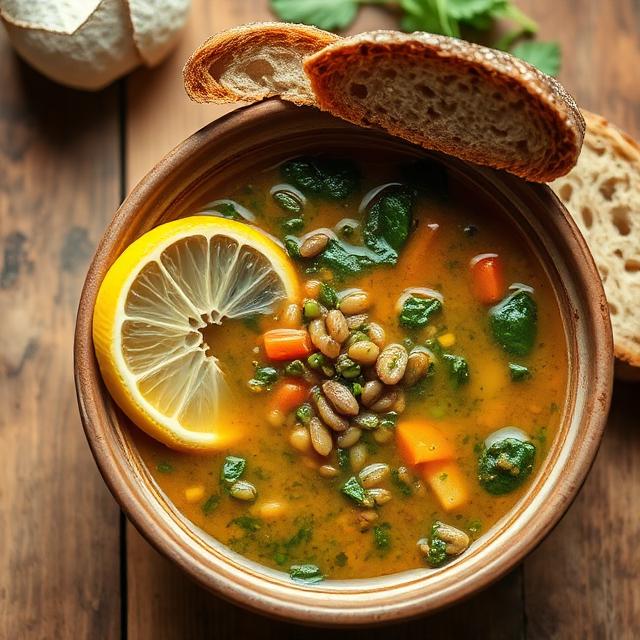
Lentil & Spinach Soup
35 min · Easy · 4 servings
A hearty and nutritious soup packed with red lentils, spinach, cumin, and lemon.
Read Full RecipeStorage Tips
Proper storage is critical for batch cooking success:
- Glass containers are best — they're microwave-safe, don't stain, and let you see contents
- Cool food completely before sealing containers to prevent condensation and bacterial growth
- Label everything with the dish name and date
- Refrigerated meals stay good for 3–4 days
- Frozen meals last 2–3 months. Thaw overnight in the fridge before reheating
- Store sauces separately from grains and proteins to prevent sogginess
- Portion salad dressings in small containers to keep greens crisp
Reheating for Best Results
The way you reheat can make or break a batch-cooked meal:
- Soups and stews: Reheat on the stovetop over medium heat with a splash of broth to thin if needed
- Grains and rice: Sprinkle with water, cover, and microwave. The steam rehydrates the grain
- Roasted vegetables: Reheat in a hot oven (400°F) for 5–7 minutes to restore crispness
- Proteins: Reheat gently to avoid overcooking. Slice and add to hot dishes rather than microwaving alone
Batch Cooking for Different Diets
For Weight Loss Focus on high-protein, high-fiber meals with plenty of vegetables. Portion everything in advance to control calories. Good options: grilled chicken with roasted vegetables, turkey chili, Greek yogurt parfaits.
For Muscle Building Prioritize protein-rich meals with adequate carbs. Cook extra chicken breast, make egg muffins, and prepare large batches of rice with lean protein.
For Plant-Based Diets Beans, lentils, and tofu are your batch cooking best friends. Make large pots of dal, black bean soup, or chickpea curry. Prep tofu by pressing and marinating it for quick weeknight stir-fries.
Common Batch Cooking Mistakes
Cooking too many recipes at once.: Start with 2–3 recipes. You can always scale up as you get comfortable.
Not diversifying flavors.: If everything tastes the same, you'll get bored by Wednesday. Use different cuisines and flavor profiles.
Forgetting to season at each stage.: Season your grains, proteins, and vegetables individually for the best flavor.
Storing hot food immediately.: Let food cool to room temperature before refrigerating to maintain food safety and texture.
Getting Started This Weekend
Choose one of these beginner-friendly batch cooking menus:
Menu 1 — Mediterranean
- Roasted chicken thighs with lemon and herbs
- Quinoa tabbouleh salad
- Hummus and roasted vegetable wraps
Menu 2 — Asian-Inspired
- Teriyaki chicken bowls with brown rice
- Vegetable stir-fry with tofu
- Miso soup with mushrooms
Menu 3 — Comfort Food
- Classic beef chili
- Roasted sweet potatoes with black beans
- Overnight oats with fruit
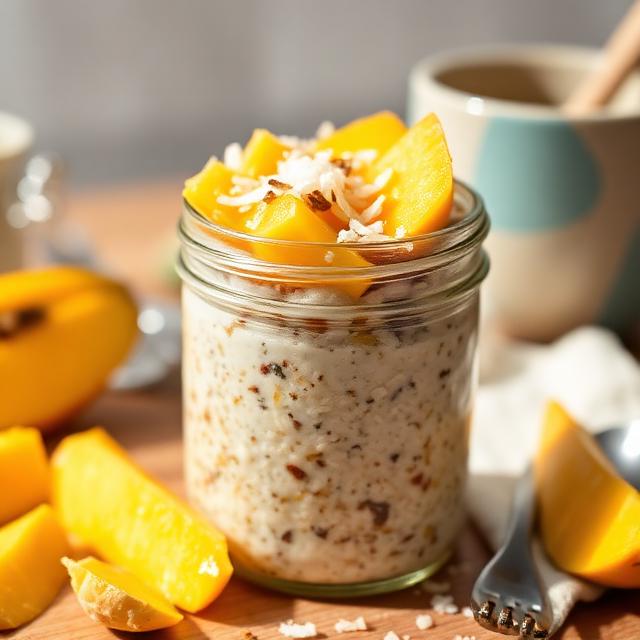
Overnight Oats with Mango
5 min · Easy · 1 servings
Creamy oats soaked overnight with yogurt, topped with fresh mango and toasted coconut.
Read Full RecipeFinal Thoughts
Batch cooking isn't about perfection — it's about making your life easier. Even preparing just two recipes on Sunday can transform your entire week. Start small, find your rhythm, and enjoy the freedom of having delicious, healthy meals ready whenever you need them.
Share this article
Ready to cook something amazing?
Enter your ingredients and let Word Recipe generate the perfect meal.
Try Word Recipe