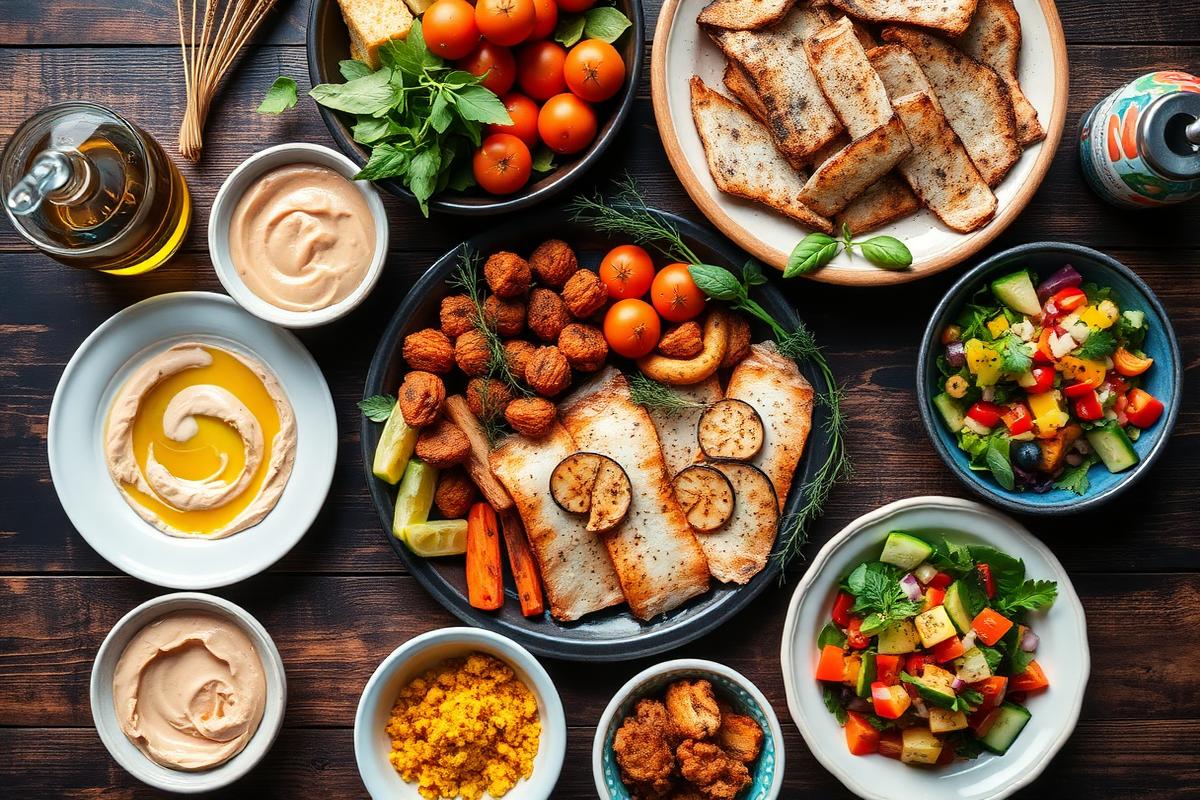
Mediterranean Diet for Beginners: A Complete Guide to Eating Well
Everything you need to know about the Mediterranean diet — the science behind why it works, what foods to eat and avoid, a sample meal plan, and delicious recipes to get started.
The Mediterranean diet has been named the best overall diet by U.S. News & World Report for seven consecutive years. And unlike many trendy diets, this one is backed by decades of scientific research. It's not really a "diet" at all — it's a way of eating inspired by the traditional cuisines of countries bordering the Mediterranean Sea, including Greece, Italy, Spain, and Turkey.
What Is the Mediterranean Diet?
At its core, the Mediterranean diet emphasizes whole, minimally processed foods rich in healthy fats, lean proteins, and plenty of fruits and vegetables. It's not about restriction — it's about abundance. You eat more of the good stuff and naturally crowd out the less healthy options.
The Foundation: What to Eat
Eat abundantly (daily):
- Vegetables — at least 3–4 servings per day
- Fruits — 2–3 servings per day
- Whole grains — brown rice, quinoa, whole wheat bread, oats
- Legumes — lentils, chickpeas, black beans, kidney beans
- Nuts and seeds — almonds, walnuts, chia seeds, flaxseeds
- Extra virgin olive oil — the primary cooking fat
- Herbs and spices — basil, oregano, cumin, turmeric, garlic
Eat moderately (a few times per week):
- Fish and seafood — especially fatty fish like salmon, sardines, mackerel
- Poultry — chicken and turkey
- Eggs
- Dairy — yogurt and cheese (especially feta, Parmesan)
Eat sparingly:
- Red meat — once or twice per month
- Sweets and added sugars
- Processed foods
- Refined grains
The Mediterranean Lifestyle The diet is just one piece of the puzzle. Traditional Mediterranean cultures also emphasize: - **Eating meals with family and friends** — meals are social events, not rushed fuel stops - **Physical activity** — walking, gardening, and daily movement - **Enjoying meals slowly** — savoring food rather than eating on the go - **Moderate wine consumption** — typically red wine with meals (optional)
The Science Behind the Mediterranean Diet
The evidence supporting the Mediterranean diet is overwhelming:
Heart Health:: A landmark study published in the New England Journal of Medicine found that people following a Mediterranean diet had a 30% lower risk of heart attack and stroke compared to those on a low-fat diet.
Brain Health:: Research shows the diet may reduce the risk of Alzheimer's disease and cognitive decline by up to 53%, likely due to the anti-inflammatory effects of olive oil and omega-3 fatty acids.
Weight Management:: While not designed as a weight-loss diet, people who follow the Mediterranean pattern tend to have healthier body weight. The emphasis on satisfying, nutrient-dense foods naturally reduces overeating.
Longevity:: The world's Blue Zones — areas where people live the longest — heavily overlap with Mediterranean eating patterns.
Diabetes Prevention:: Studies show the diet reduces the risk of type 2 diabetes by improving insulin sensitivity and blood sugar control.
Getting Started: Your First Mediterranean Week
Transitioning to the Mediterranean diet doesn't require a dramatic overhaul. Start with these simple swaps:
Week 1 Swaps - **Butter → Extra virgin olive oil** (for cooking and dressing) - **White bread → Whole grain bread** - **Red meat → Fish or chicken** - **Chips and crackers → Nuts and olives** - **Soda → Water with lemon or herbal tea** - **Sugary dessert → Fresh fruit with a drizzle of honey**
Sample Day on the Mediterranean Diet
Breakfast:: Greek yogurt with honey, walnuts, and fresh berries. Or avocado toast on whole grain bread with a poached egg.
Lunch:: Large salad with mixed greens, chickpeas, cherry tomatoes, cucumber, feta cheese, olives, and lemon-olive oil dressing. Whole grain pita on the side.
Snack:: Hummus with carrot and cucumber sticks, or a small handful of almonds.
Dinner:: Grilled salmon with roasted Mediterranean vegetables (zucchini, bell peppers, eggplant) drizzled with olive oil and fresh herbs. Quinoa or brown rice on the side.
Dessert:: Sliced fresh peaches with a sprinkle of cinnamon and a dollop of Greek yogurt.
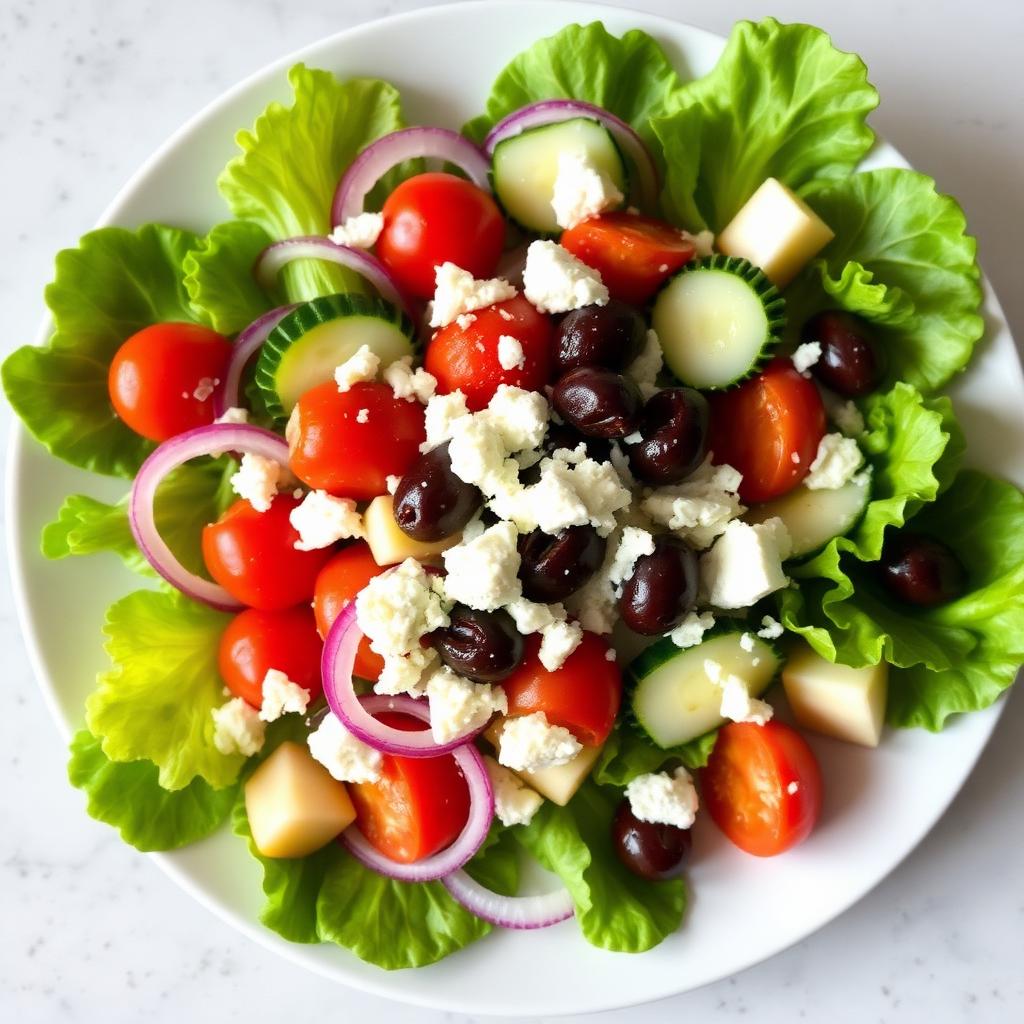
Classic Mediterranean Salad
15 min · Easy · 2 servings
A vibrant mix of romaine, cherry tomatoes, cucumber, kalamata olives, and crumbled feta with a simple olive oil and oregano dressing.
Read Full RecipeEssential Mediterranean Pantry
Stock your kitchen with these staples and you'll always be ready to cook Mediterranean:
Oils & Condiments - Extra virgin olive oil (buy the best you can afford) - Red wine vinegar and balsamic vinegar - Tahini - Dijon mustard - Capers and olives
Grains & Legumes - Quinoa, bulgur, and farro - Brown rice and whole wheat couscous - Canned chickpeas and white beans - Dried lentils (red and green)
Canned & Jarred - San Marzano tomatoes - Artichoke hearts - Roasted red peppers - Tomato paste
Spices & Herbs - Dried oregano and basil - Cumin, coriander, and za'atar - Smoked paprika - Red pepper flakes - Fresh garlic and lemons (always)
Mediterranean Cooking Techniques
The Simple Salad Formula Every great Mediterranean salad follows this pattern: **greens + protein + vegetables + cheese + healthy fat + acid**
Example: Arugula + grilled chicken + roasted peppers + feta + olive oil + lemon juice
The Perfect Mediterranean Dressing Whisk together: 3 parts olive oil, 1 part lemon juice or red wine vinegar, 1 minced garlic clove, 1 teaspoon dried oregano, salt, and pepper. This takes 2 minutes and beats any bottled dressing.
Building a Mediterranean Bowl Start with a base (quinoa, farro, or greens), add a protein (grilled chicken, salmon, or chickpeas), pile on vegetables (roasted or raw), add a cheese (feta or Parmesan), and finish with a drizzle of olive oil and fresh herbs.
Common Questions About the Mediterranean Diet
Is the Mediterranean diet expensive?: Not necessarily. The staples — beans, lentils, grains, seasonal vegetables, olive oil — are affordable. You'll save money by eating less meat and processed food.
Can I lose weight on the Mediterranean diet?: Yes, though it's not a calorie-counting plan. The emphasis on whole, satisfying foods naturally leads to appropriate portions. Add regular physical activity for best results.
Is wine required?: Absolutely not. Wine is optional. If you don't drink, you can skip it entirely without missing any nutritional benefits.
Can I follow this diet if I'm vegetarian or vegan?: The Mediterranean diet is easily adaptable. Replace fish with extra legumes, tofu, or tempeh. The foundation of the diet is already plant-based.
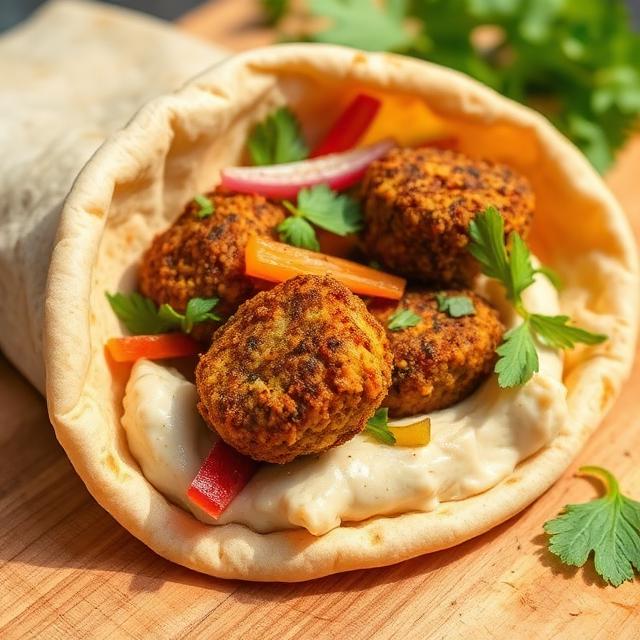
Mediterranean Falafel Wrap
30 min · Medium · 2 servings
Crispy falafel with hummus, pickled veggies, and tahini sauce in warm pita.
Read Full RecipeTips for Long-Term Success
The Mediterranean diet works because it's sustainable. Here's how to make it stick:
- Don't think of it as a diet. It's a way of eating. There are no forbidden foods — just foods to enjoy more or less often.
- Cook at home more. Restaurant meals, even Mediterranean ones, tend to have more salt and oil than homemade versions.
- Shop the perimeter of the grocery store. That's where you'll find produce, proteins, and dairy — the core of this eating pattern.
- Eat seasonally. Mediterranean cooking relies on fresh, seasonal ingredients at their peak flavor.
- Enjoy the process. Slow down, cook with love, eat with people you care about.
Final Thoughts
The Mediterranean diet isn't a quick fix — it's a lifelong approach to eating that happens to be delicious. It protects your heart, sharpens your mind, and may help you live longer. Best of all, it doesn't require deprivation or willpower. When your meals are this good, healthy eating doesn't feel like a sacrifice — it feels like a celebration.
Share this article
Ready to cook something amazing?
Enter your ingredients and let Word Recipe generate the perfect meal.
Try Word Recipe