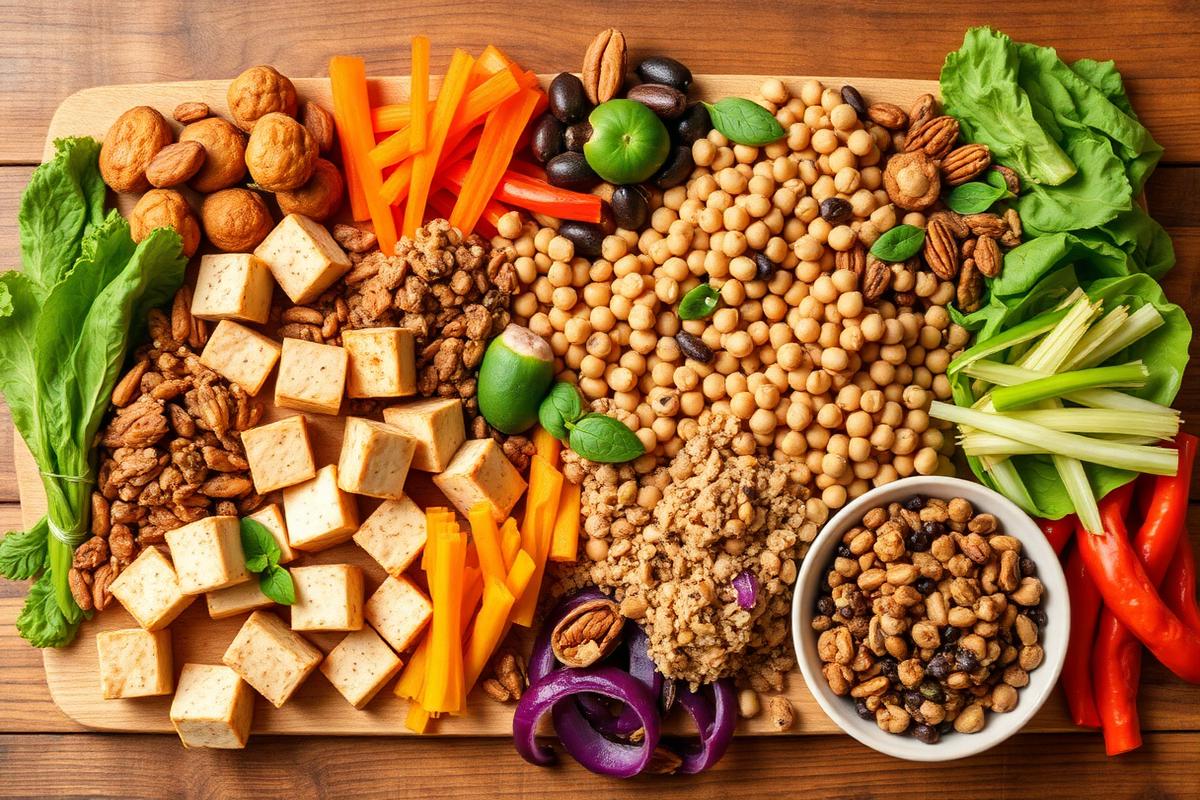
Plant-Based Protein: The Complete Guide to Getting Enough Protein Without Meat
A comprehensive guide to plant-based protein sources, including how to combine them for complete nutrition, daily requirements, meal ideas, and myths debunked.
Whether you're fully plant-based, reducing meat consumption, or simply curious about protein alternatives, understanding plant-based protein is essential. The question "but where do you get your protein?" is the most common one vegetarians and vegans hear — and the answer is: everywhere.
Understanding Protein Basics
Protein is made up of amino acids — 20 in total, 9 of which are "essential" (your body can't make them, so you must get them from food). Animal proteins contain all 9 essential amino acids in one package, which is why they're called "complete" proteins.
Most plant proteins are "incomplete," meaning they're low in one or more essential amino acids. But here's the key insight: you don't need to get all amino acids from a single food. As long as you eat a variety of plant proteins throughout the day, your body gets everything it needs.
How Much Protein Do You Need?
The recommended daily intake varies:
- Sedentary adults: 0.8g per kg of body weight (about 56g for a 154-lb person)
- Active adults: 1.2–1.6g per kg
- Athletes and muscle building: 1.6–2.2g per kg
- Older adults: 1.0–1.2g per kg (to prevent muscle loss)
Most people — including plant-based eaters — get enough protein without trying, as long as they're eating adequate calories from whole foods.
Top Plant-Based Protein Sources
Legumes: The Protein Powerhouses
Lentils (18g protein per cup, cooked): Lentils are the fastest-cooking legume — no soaking required. Red lentils cook in 15 minutes and break down into creamy soups and dals. Green and brown lentils hold their shape for salads and bowls.
Chickpeas (15g protein per cup): Incredibly versatile: hummus, falafel, curry, roasted snacks, salads, and even blended into pasta sauces for creaminess. Canned chickpeas are a pantry essential.
Black Beans (15g protein per cup): Perfect for burritos, soups, salads, and burger patties. Mash them with spices for a quick, high-protein taco filling.
Edamame (17g protein per cup): Young soybeans that are delicious steamed with sea salt as a snack, or shelled and added to stir-fries and grain bowls.
Soy Products
Tofu (20g protein per cup): Tofu absorbs whatever flavors you give it. The key to great tofu is pressing out the water and using high heat. Press for 30 minutes, cut into cubes, and pan-fry until golden and crispy.
Tempeh (31g protein per cup): Fermented soybeans with a nutty, firm texture. Higher in protein than tofu and easier to cook. Slice and marinate, then pan-fry, grill, or bake.
Soy Milk (7g protein per cup): The highest-protein plant milk. Comparable to cow's milk nutritionally.
Grains and Seeds
Quinoa (8g protein per cup, cooked): One of the few plant foods that's a complete protein. Use it like rice in bowls, salads, or as a breakfast porridge.
Hemp Seeds (10g protein per 3 tablespoons): Sprinkle on salads, oatmeal, or smoothie bowls. Also a complete protein with healthy omega-3 fats.
Chia Seeds (5g protein per 2 tablespoons): Best in puddings, smoothies, and as an egg substitute in baking. Also high in fiber and omega-3s.
Oats (6g protein per cup, cooked): More protein than most grains. Overnight oats with nut butter and hemp seeds can pack 20g+ protein per breakfast.
Nuts and Nut Butters
Peanuts (7g protein per ounce): Technically a legume, peanuts are the highest-protein "nut." Peanut butter on whole grain toast is a classic high-protein meal.
Almonds (6g protein per ounce): Great as a snack, in trail mix, or as almond butter. Almond flour is also useful for high-protein baking.
Combining Proteins for Complete Nutrition
Classic combinations that create complete protein profiles:
- Rice + Beans — The most time-tested combination worldwide
- Hummus + Pita — Chickpeas + wheat
- Peanut Butter + Bread — Legume + grain
- Tofu + Rice — Soy + grain
- Lentil Soup + Bread — Legume + grain
Remember: these combinations don't need to be in the same meal. Eating complementary proteins throughout the day is sufficient.
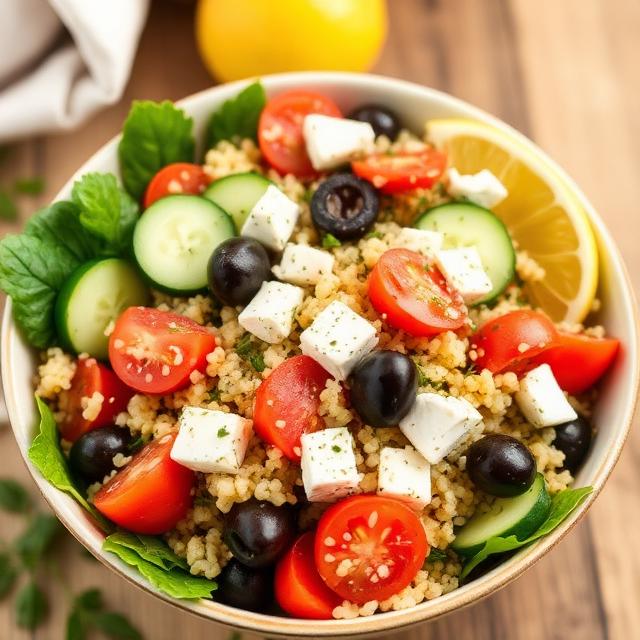
Greek Quinoa Bowl
20 min · Easy · 2 servings
Fluffy quinoa with cucumber, tomato, olives, feta, and lemon-herb dressing.
Read Full RecipeHigh-Protein Plant-Based Meals
Breakfast (20g+ protein) - Overnight oats with soy milk, chia seeds, hemp hearts, and peanut butter - Tofu scramble with vegetables and whole grain toast - Smoothie with soy milk, banana, peanut butter, and hemp seeds
Lunch (25g+ protein) - Lentil soup with whole grain bread - Chickpea salad sandwich - Grain bowl with quinoa, black beans, roasted vegetables, and tahini
Dinner (30g+ protein) - Stir-fried tofu with broccoli, edamame, and brown rice - Black bean and sweet potato enchiladas - Tempeh curry with chickpeas over rice
Snacks (10g+ protein) - Hummus with vegetables and whole grain crackers - Trail mix with peanuts, almonds, and pumpkin seeds - Edamame with sea salt
Common Myths Debunked
Myth: Plant protein is inferior to animal protein.: Reality: Plant proteins provide all the same amino acids. The only difference is that you need variety rather than relying on a single source.
Myth: You need to combine proteins at every meal.: Reality: As long as you eat a varied diet throughout the day, your body pools amino acids and uses them as needed.
Myth: You can't build muscle on a plant-based diet.: Reality: Many elite athletes are plant-based. With adequate protein intake and proper training, muscle building is absolutely achievable.
Myth: Soy causes hormonal problems.: Reality: Decades of research show that moderate soy consumption is safe and may actually reduce the risk of certain cancers. The phytoestrogens in soy are much weaker than human estrogen.
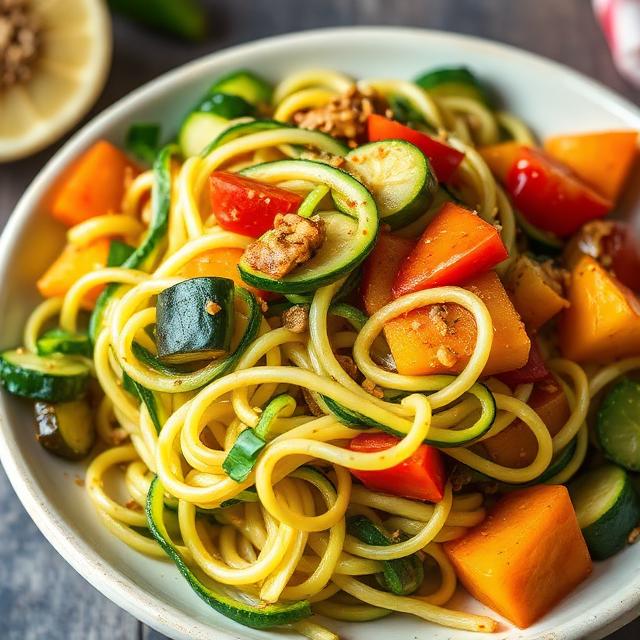
Zucchini Noodle Stir-Fry
15 min · Easy · 2 servings
Spiralized zucchini tossed with colorful vegetables in a light sesame-soy dressing.
Read Full RecipeSupplements to Consider
Most plant-based eaters get enough protein from food. However, consider these supplements:
- B12: The one nutrient that's difficult to get from plants alone. Supplement or eat fortified foods.
- Protein powder: Pea protein, hemp protein, or soy protein isolate can help if you struggle to meet protein goals through food.
- Iron: Plant-based iron is less bioavailable. Pair iron-rich foods with vitamin C to boost absorption.
- Omega-3: Consider an algae-based DHA/EPA supplement.
Practical Tips for Increasing Plant Protein
- Add beans to everything: Soups, salads, pasta, tacos, even smoothies (white beans blend invisibly)
- Choose high-protein grains: Quinoa and buckwheat over white rice
- Snack on nuts and seeds: Keep them accessible
- Use soy milk: Highest protein plant milk for smoothies and cereal
- Prep tofu and tempeh in advance: Having marinated, ready-to-cook protein makes meal assembly easy
Final Thoughts
Getting enough protein on a plant-based diet is straightforward once you understand the landscape of options. The variety is actually greater than most people expect — lentils, beans, tofu, tempeh, quinoa, nuts, seeds, and more. The key is variety and adequate caloric intake. Eat a diverse range of plant foods, and protein will take care of itself.
Share this article
Ready to cook something amazing?
Enter your ingredients and let Word Recipe generate the perfect meal.
Try Word Recipe